.png)
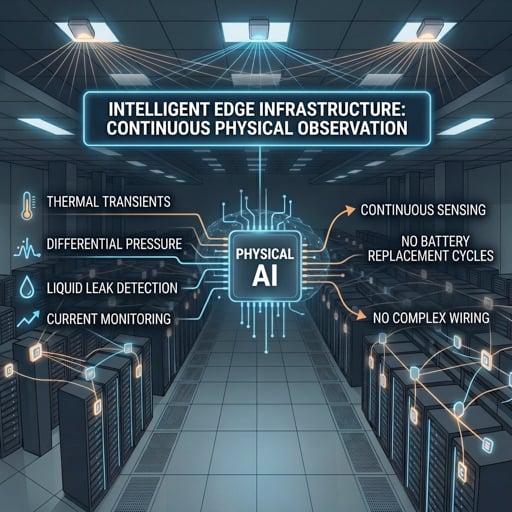
As Powercast continues to expand the Powercast EDGE platform, bringing new EDGE Nodes from development into production is an important part of making scalable, intelligent infrastructure a reality. Powercast EDGE creates a wireless power layer where EDGE Hubs deliver energy to distributed EDGE Nodes that collect and transmit critical real world data. This architecture enables organizations to deploy connected devices with greater flexibility while reducing the maintenance and limitations associated with batteries and wired infrastructure.
One example is Powercast’s PCTB100 BLE EDGE Node, an ultra thin, battery free temperature and humidity sensor tag designed for real time monitoring and asset tracking. Powered by RF energy, the PCTB100 collects environmental data and transmits it using Bluetooth Low Energy, providing a continuous source of information for monitoring systems and intelligent applications. By enabling more sensors to be deployed across an environment without the maintenance burden of batteries or wiring, the PCTB100 can help increase data density at the physical edge, giving AI systems access to more granular, real world information for monitoring, analysis, and automated decision making.
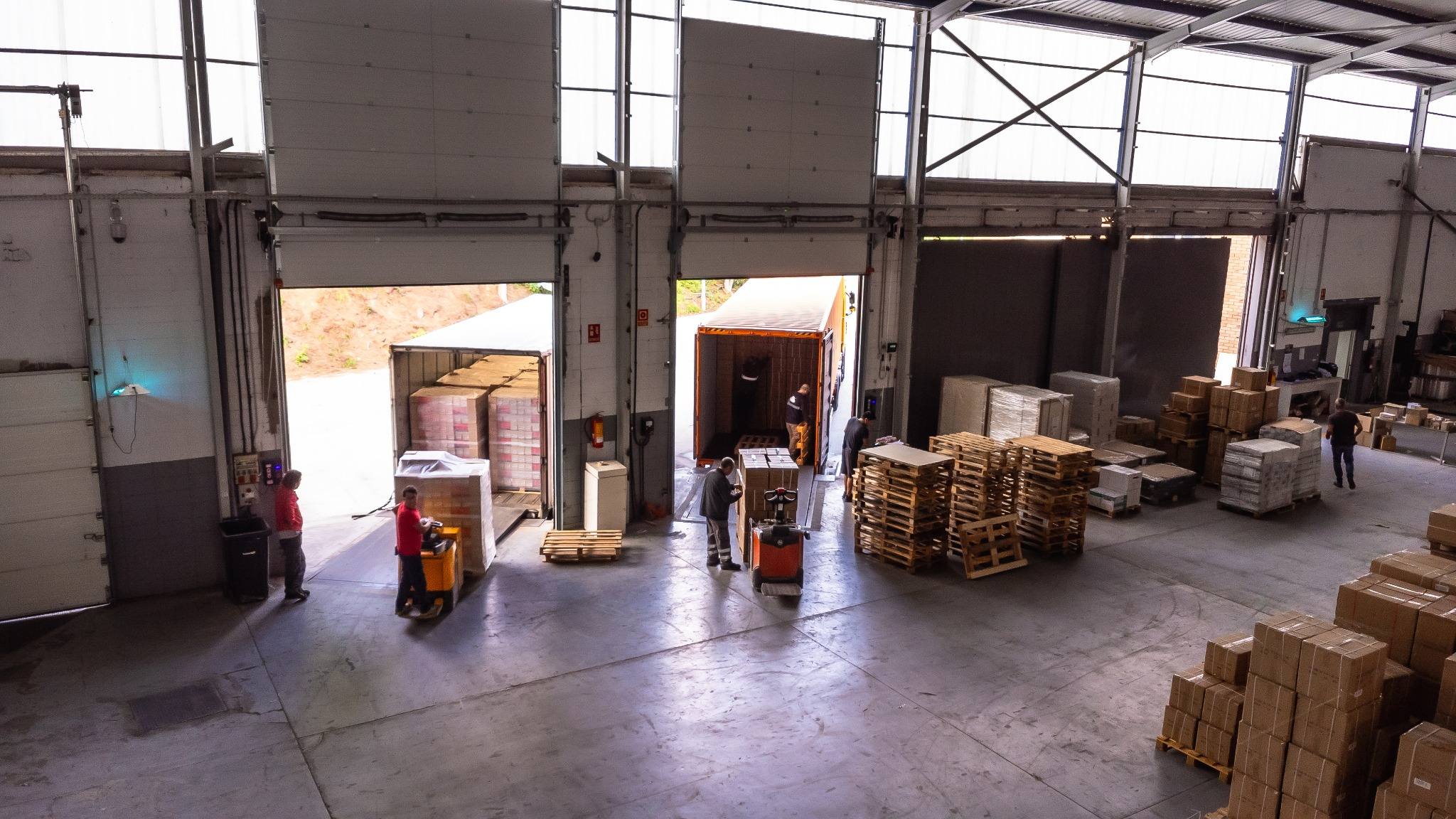
To help move innovative products like the PCTB100 from development into production, Powercast worked with Rompa Group to support short production runs. Rompa’s flexible manufacturing capabilities provided Powercast with a way to produce the BLE tag at the volumes needed during this stage of commercialization while maintaining the quality and consistency required for a connected sensor product.
Collaborations like this are an important part of growing the Powercast EDGE ecosystem. By combining Powercast’s wireless power and sensing technologies with experienced manufacturing partners, new EDGE Nodes can move more efficiently from concept and development to real world deployment. As AI systems demand greater data density and a continuous flow of information from the physical world, scalable manufacturing will help make it possible to deploy battery free sensing solutions in greater numbers across more applications and environments.